Best Hospital in Ghatkopar, Mumbai | Zynova Shalby Hospital


Head and Neck Cancer Mumbai: Symptoms & Treatment
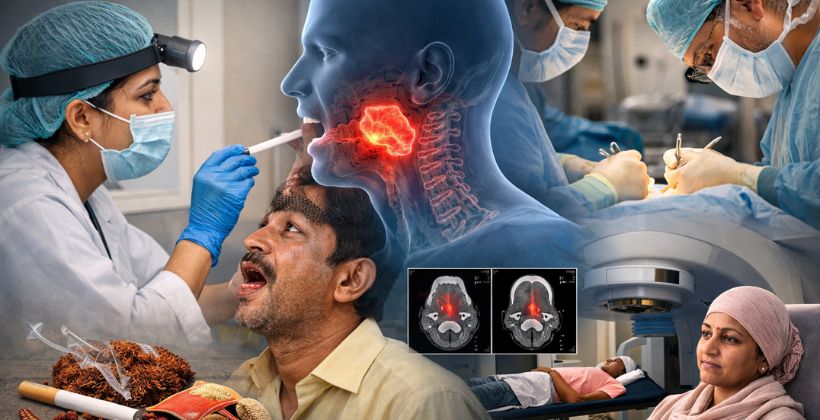
Introduction: A Cancer That Touches Too Many Families in India
Imagine this. A 48-year-old man from Ghatkopar visits a dentist because of a mouth sore that has been bothering him for about six weeks. He assumes it is from the hot chai he drinks every morning. The dentist takes one look and immediately refers him to an oncologist. Within days, he is diagnosed with Stage 2 oral cancer.
The good news? He caught it at a stage where surgery alone could treat him. He is now two years cancer-free.
This story is real. And it happens far too rarely in India, because most people wait months, sometimes even years, before seeking medical help for symptoms that could be early warning signs of head and neck cancer.
Head and neck cancer is not a rare disease in our country. India carries one of the highest burdens of this cancer in the entire world. According to data from the National Cancer Registry Programme of India, head and neck cancers collectively make up nearly 25 to 30 percent of all new cancer cases diagnosed each year. That is hundreds of thousands of patients annually.
And yet, awareness remains surprisingly low.
This blog is written for you: the patient who is searching for answers, the family member sitting beside someone who has just been diagnosed, and the person who has been ignoring a symptom for too long. We will walk you through everything, from what this cancer is, what causes it, what the warning signs look like, how it is diagnosed, and what modern head and neck cancer treatment Mumbai options are available today.
We will also explain when it is time to stop googling and start talking to a best oncologist in Mumbai or an oncologist near me Ghatkopar.
What Is Head and Neck Cancer?
Head and neck cancer is an umbrella term used for cancers that start in the structures of the head and neck region. This is not one single cancer but rather a family of different cancers, each with its own behavior, treatment, and prognosis. Understanding these subtypes is essential whether you are searching for a head neck cancer specialist in Ghatkopar or consulting the best cancer hospital in Mumbai.
The most common sites include:
- Oral cavity: The lips, tongue, gums, inner cheeks, floor of the mouth, and the hard palate (roof of the mouth). Oral cancer is the most common type seen in India.
- Oropharynx: The middle part of the throat, including the soft palate, the back of the tongue, the tonsils, and the back wall of the throat. HPV-related throat cancers often arise here.
- Hypopharynx: The lower part of the throat, just above the food pipe (esophagus). Cancers here are often detected late because symptoms are subtle.
- Larynx (voice box): Cancers here often present with voice changes. Smokers are particularly at risk.
- Nasopharynx: The upper part of the throat behind the nose. This type is more common in people of Southeast Asian origin.
- Nasal cavity and paranasal sinuses: Cancers in these air-filled spaces behind the nose and cheeks.
- Salivary glands: The parotid, submandibular, and smaller salivary glands can develop tumors, some benign and some malignant.
- Thyroid gland: Though often discussed separately, thyroid cancers are anatomically part of head and neck oncology.
Most head and neck cancers are squamous cell carcinomas, meaning they arise from the flat squamous cells that line the inner surfaces of these organs. However, adenocarcinomas, mucoepidermoid carcinomas, and other rarer types also occur.
A head neck cancer doctor in Mumbai or a surgical oncologist in Mumbai with specialized training can identify the specific subtype through biopsy and guide treatment accordingly.
How Common Is Head and Neck Cancer in India?
India has a disproportionately high burden of head and neck cancers compared to most other countries. Here are some facts that put this into perspective:
- Oral cancer alone accounts for nearly 11 percent of all cancers in Indian men and is one of the most common cancers in the country.
- India has among the highest rates of oral and pharyngeal cancers in the world, largely driven by tobacco and betel nut use.
- Approximately 77,000 new cases of oral cancer are diagnosed in India every year, according to estimates from the Indian Council of Medical Research.
- In Maharashtra, and particularly in Mumbai, the combination of tobacco chewing habits, alcohol consumption, and lifestyle factors makes head and neck cancers a significant public health concern.
- More than 70 percent of patients in India present at an advanced stage (Stage 3 or Stage 4), which makes treatment more complex and outcomes less favorable.
These numbers are sobering, but they also point to a clear opportunity: better awareness leads to earlier diagnosis, which leads to better survival. That is exactly why this information matters.
Head and Neck Cancer Causes: What Puts You at Risk?
Understanding what causes or contributes to head and neck cancer can help individuals take preventive action and recognize when they might be at higher risk. The causes are a mix of lifestyle habits, infections, environmental exposures, and sometimes just biology.
Tobacco: The Single Biggest Risk Factor in India
There is no getting around this. Tobacco in all its forms is responsible for the majority of head and neck cancers in our country. The risk applies to:
- Cigarette smoking
- Bidi smoking (which is more common in rural and semi-urban India and delivers higher concentrations of carcinogens)
- Hookah or sheesha smoking
- Chewing tobacco, gutka, mawa, khaini, and paan masala
- Betel nut (supari) chewing, often combined with lime and tobacco
The tobacco cancer risk in India is significantly amplified because smokeless tobacco use is deeply normalized in many communities. People do not see chewing gutka as dangerous because it does not produce smoke. But the carcinogens in smokeless tobacco directly contact the lining of the mouth, causing cellular damage that, over years, can turn into cancer.
Chewing tobacco also leads to a condition called oral submucous fibrosis (OSMF), where the tissues of the mouth gradually harden and restrict mouth opening. OSMF is a precancerous condition that, if left untreated, has a significant chance of turning into oral cancer.
| Important Fact About Gutka and Paan Masala
Gutka and paan masala have been banned in several Indian states including Maharashtra. However, many people continue to access them through workarounds. These products contain areca nut, tobacco, slaked lime, and flavoring agents, all of which are harmful to the oral mucosa. If you currently use any of these products, quitting is the single most important thing you can do to reduce your cancer risk. |
Alcohol: A Risk Multiplier
Alcohol on its own increases the risk of cancers in the mouth, throat, and voice box. But when alcohol is combined with tobacco, the two substances do not simply add their risks together. They multiply each other’s harmful effects. A person who smokes and drinks heavily has a risk that is many times higher than someone who does only one or neither.
This combination is particularly common in Indian cities and has contributed significantly to the prevalence of throat and oral cancers in urban populations.
HPV: An Emerging and Often Overlooked Cause
Human Papillomavirus, specifically HPV type 16, has been identified as a major cause of oropharyngeal cancers (cancers of the tonsils and back of the throat). What makes HPV-related head and neck cancer different is that it often affects younger individuals, sometimes in their 30s or 40s, who have never smoked or chewed tobacco.
In India, awareness about HPV-related head and neck cancer is still developing. These tumors tend to respond better to treatment than tobacco-related ones, but they still require prompt attention. HPV vaccination, now available in India, offers protection against the strains most commonly associated with these cancers.
Betel Nut (Areca Nut) Use
Even without tobacco, betel nut chewing is carcinogenic. The areca alkaloids in betel nut cause direct DNA damage to the cells lining the mouth and throat. Betel nut use is extremely common in many parts of India, including Maharashtra, and is a significant independent risk factor for oral and pharyngeal cancers.
Poor Oral Hygiene and Dental Neglect
Chronic irritation from rough or broken teeth, ill-fitting dentures, and poor oral hygiene creates a persistent inflammatory environment in the mouth. Over many years, this chronic irritation can promote cellular changes that lead to cancer. Regular dental visits are not just about cavities. They are an important part of cancer prevention.
Sun Exposure and Lip Cancer
People who work outdoors for many years, particularly in construction, agriculture, or other outdoor professions, have a higher risk of developing lip cancer due to chronic ultraviolet radiation exposure. Using SPF lip balm and wearing protective hats can reduce this risk.
Diet and Nutrition Deficiencies
A diet that is low in fresh fruits and vegetables increases cancer risk. Fruits and vegetables contain antioxidants, fiber, vitamins, and phytochemicals that protect cells from damage. Deficiencies in vitamins A, C, and E have been specifically associated with higher rates of oral and throat cancers.
Conversely, diets high in heavily salted, pickled, or preserved foods have been linked to nasopharyngeal cancer, a type more commonly seen in certain geographic and ethnic groups.
Occupational and Environmental Exposures
Prolonged workplace exposure to certain substances increases cancer risk. These include:
- Asbestos (linked to laryngeal cancer)
- Formaldehyde and wood dust (linked to nasal cavity cancers)
- Nickel refining dust
- Certain paint fumes and chemical solvents
Workers in industries with these exposures should undergo regular health check-ups and should report any persistent symptoms to their doctor without delay.
Family History and Genetics
While most head and neck cancers are not hereditary in the traditional sense, having a first-degree relative who developed cancer at a young age may indicate a genetic predisposition. Certain rare genetic syndromes, like Fanconi anemia, are associated with a significantly increased risk of head and neck squamous cell carcinoma.
Early Signs of Head and Neck Cancer: What to Watch Out For
This is arguably the most important section of this entire article. The early signs of head and neck cancer are often subtle, and they are almost always dismissed as something less serious. A sore throat becomes “just a cold”. A neck lump gets written off as a swollen gland from an infection. A change in voice is blamed on overuse.
But here is what every person in India needs to know: if a symptom in the head and neck region lasts more than two to three weeks without a clear cause, get it checked by a specialist. Full stop.
Warning Signs That Should Not Be Ignored
- A mouth ulcer or sore that does not heal in three weeks: This is the most classic early sign of oral cancer. It may be painless in the beginning, which is why it often gets ignored.
- White patches (leukoplakia) or red patches (erythroplakia) inside the mouth: These precancerous lesions appear on the gums, tongue, inner cheeks, or floor of the mouth. Red patches are considered higher risk than white ones.
- A lump or thickening anywhere in the mouth, neck, or throat: Any persistent lump should be evaluated. A painless neck lump is one of the most common presentations of head and neck cancer.
- Hoarseness or a change in voice that persists beyond three weeks: Especially in smokers, this can be an early sign of laryngeal (voice box) cancer.
- Difficulty or pain while swallowing: Known medically as dysphagia or odynophagia, this can signal a tumor in the throat or esophagus.
- Persistent sore throat that does not respond to antibiotics: Most sore throats resolve within a week. One that lingers despite treatment needs investigation.
- Numbness or pain in the mouth, lip, or tongue: Nerve involvement by a tumor can cause numbness or a pins-and-needles sensation.
- Loose teeth without an obvious dental reason: When teeth become loose without gum disease or injury, it may mean a tumor is affecting the jaw.
- Difficulty opening the mouth fully: This can indicate oral submucous fibrosis (a precancerous condition) or direct tumor involvement of the jaw muscles.
- Unexplained weight loss: Losing weight without trying, especially when accompanied by other symptoms, is always a red flag that needs investigation.
- Ear pain without an ear infection: Called referred otalgia, this happens because nerves in the throat and ear share pathways. Throat cancer can cause ear pain.
- Nosebleeds or nasal obstruction on one side: Persistent one-sided nasal symptoms can point to a tumor in the nasal cavity or sinuses.
- Swelling or pain in the jaw or face: This can indicate a salivary gland tumor or bone involvement.
| Three-Week Rule: A Simple Guide to Action
Any symptom in the head or neck area, no matter how mild it seems, that lasts longer than three weeks without improving should be evaluated by a doctor. This does not mean you have cancer. But it does mean you need a proper examination. The three-week mark is widely used by oncologists as the threshold for urgent referral. |
Head and Neck Cancer Symptoms as Seen in Indian Patients
The way symptoms present in Indian patients often differs from what is described in Western medical textbooks, partly because the types of cancer are different and partly because patients here tend to present later in the disease course.
Oral Cancer Symptoms in India
Oral cancer is the dominant subtype in India, making up a large proportion of all head and neck cancers. The most common oral cancer symptoms Indian doctors, including cancer specialists in Ghatkopar, Mumbai, see include:
- A non-healing ulcer or sore in the mouth, often in a tobacco chewer
- White or speckled patches on the tongue, inner cheeks, or gums
- Restricted mouth opening, often a result of oral submucous fibrosis progressing to cancer
- Bleeding from the mouth without injury
- Pain and difficulty in eating, which leads to significant weight loss
Tobacco chewers often place tobacco in the same spot inside their cheek repeatedly for years. This is why inner cheek and gum cancers are so common in this group. The first sign is often a patch or sore at exactly that spot.
Throat Cancer Symptoms
Throat cancer treatment in Mumbai hospitals has become increasingly refined in recent years, but catching it early remains the challenge. Common symptoms include:
- A persistent sensation of something stuck in the throat
- Difficulty swallowing, starting with solid foods and progressing to liquids
- Pain in the throat that radiates to the ear
- Blood-tinged saliva or mucus
- Muffled or changed voice quality
Neck Lumps: A Common Reason Patients Visit Oncologists
A painless lump in the neck is one of the most frequent reasons people walk into a cancer specialist in Mumbai or consult the best oncologist in Mumbai. In many cases, the neck lump is actually a swollen lymph node where cancer from the throat, mouth, or thyroid has spread. The primary tumor in the head and neck region may be small and asymptomatic, while the lymph node in the neck is the only visible sign.
This is why every neck lump that persists for more than three to four weeks must be evaluated with imaging and, if needed, a biopsy. Do not assume a neck lump is just an infection unless your doctor has definitively ruled out cancer.
Thyroid Cancer Symptoms
Thyroid cancer often presents as a painless nodule or lump in the front of the neck. Many thyroid nodules are benign, but some are malignant. A growing thyroid nodule, especially one associated with hoarseness or difficulty swallowing, should be evaluated by a specialist.
When Should You Consult a Head and Neck Cancer Specialist?
This is a question we get asked a lot. People want to know: am I overreacting? Should I go to a general physician first, or directly to an oncologist?
Here is honest, practical advice:
Go to a General Physician or Dentist First If
- The symptom has been present for less than two weeks
- There is a clear explanation, such as a throat infection or a known dental issue
- The symptom is mild and improving on its own
Go Directly to a Head and Neck Cancer Specialist If
- The symptom has persisted for three or more weeks without improvement
- You have a visible lump in the neck that is growing
- You have been a long-term tobacco user or alcohol drinker
- You have been previously diagnosed with a precancerous condition like oral submucous fibrosis or leukoplakia
- A general physician or dentist has advised further evaluation
- You are feeling uneasy and want a specialist’s opinion
If you are searching for an oncologist near me in Ghatkopar or a head neck cancer specialist in Mumbai, you want someone who has dedicated training and experience in this specific area. Head and neck cancer requires a team, not a single doctor, and finding the right hospital matters.
At Zynova Shalby Hospital in Ghatkopar, our specialists hold dedicated clinics for head and neck cancer patients. You do not need a referral to book a first consultation. Our cancer specialist team in Ghatkopar is available to guide you from your very first appointment.
| One of the hardest parts of my work is meeting patients who say ‘I noticed something six months ago but I thought it would go away’. By the time they come to us, what could have been treated with a simple surgery now requires aggressive multimodal treatment. Please do not wait. See a doctor.
Dr. Deepak Khanna | Onco Surgeon, Head and Neck Cancer |
How Is Head and Neck Cancer Diagnosed?
A diagnosis of cancer is never made on the basis of symptoms alone. It requires a structured process that combines clinical examination, imaging, and laboratory tests. Here is what the process looks like step by step.
Step 1: Clinical Examination
The oncologist will conduct a thorough physical examination of your mouth, throat, neck, and face. They will feel the lymph nodes in your neck and check for any abnormal masses. They may use a small mirror or a thin flexible camera called a nasopharyngoscope or laryngoscope to examine areas not visible to the naked eye, such as the back of the throat, the voice box, and the nasal passages.
This examination takes only a few minutes and is not painful, though it may be slightly uncomfortable. It gives the doctor valuable information about the location, size, and appearance of any suspicious area.
Step 2: Biopsy
If the doctor finds a suspicious area, a small sample of tissue is taken and sent to a pathology laboratory. This is called a biopsy, and it is the only definitive way to confirm whether cancer is present and what type it is.
Depending on where the suspicious area is, the biopsy may be done in the clinic under local anesthesia, in an endoscopy suite, or under general anesthesia. The results typically take a few days to come back.
Fine Needle Aspiration Cytology (FNAC) is often used for neck lumps. A thin needle is inserted into the lump and a small sample of cells is withdrawn and examined under a microscope.
Step 3: Imaging Tests
Cancer diagnosis tests in Mumbai today are highly advanced and give doctors a detailed picture of the tumor and whether it has spread. Common imaging tests include:
- CT Scan (Computed Tomography): Shows the size and location of the tumor, involvement of nearby structures, and lymph node status.
- MRI (Magnetic Resonance Imaging): Provides superior detail of soft tissues and is particularly useful for oral and throat cancers.
- PET-CT Scan (Positron Emission Tomography): Combines functional and anatomical imaging to show whether cancer has spread to distant parts of the body. This is critical for staging.
- Ultrasound: Often used to evaluate neck lumps and guide biopsies.
- Panoramic Dental X-ray (OPG): Used when the jaw bone may be involved.
Step 4: Blood Tests and Baseline Assessment
Blood tests help assess kidney function, liver function, blood counts, and overall organ health before treatment begins. This information is crucial for planning surgery, chemotherapy, or radiation therapy safely.
Step 5: HPV Testing
If the cancer arises in the oropharynx (tonsils or back of the tongue), the biopsy specimen is routinely tested for HPV. HPV-positive tumors behave differently from HPV-negative ones, often responding better to treatment and carrying a more favorable prognosis.
Step 6: Staging
After all tests are complete, the oncologist assigns a stage to the cancer, ranging from Stage 1 (localized and small) to Stage 4 (spread to distant organs). Staging drives every treatment decision, from the type of surgery to whether radiation or chemotherapy is needed.
Our cancer diagnosis services at Zynova Shalby Hospital are designed to provide fast, accurate, and comprehensive evaluation. We understand that waiting for a diagnosis is one of the most stressful experiences a patient can face, and our team works to minimize delays at every step.
Precancerous Conditions: The Warning Before the Warning
Before head and neck cancer fully develops, the tissues often go through a phase of precancerous changes. Catching and treating these conditions is the ideal form of cancer prevention.
Leukoplakia
Leukoplakia appears as white patches inside the mouth that cannot be rubbed off. It is most often caused by tobacco use, alcohol, or chronic irritation. Most leukoplakia is benign, but some patches, especially those that are thick, irregular, or mixed with red areas, have a higher risk of turning cancerous.
Erythroplakia
Red velvety patches inside the mouth are called erythroplakia. These are less common than white patches but carry a significantly higher risk of being or becoming cancerous. Any red patch in the mouth should be biopsied.
Oral Submucous Fibrosis (OSMF)
This is a progressive, chronic condition caused primarily by areca nut (supari) and gutka chewing. The mouth tissues gradually become stiff and fibrotic, making it harder to open the mouth. OSMF is considered a pre-malignant condition, meaning it has the potential to become cancerous if the causative habit is continued. The risk of OSMF transforming into oral cancer ranges from 7 to 13 percent over time.
Chronic Laryngitis
In smokers, the voice box lining undergoes changes over time. Chronic laryngitis, particularly when associated with dysplasia (abnormal cell changes), can progress to laryngeal cancer. Regular follow-up with a laryngoscopy is advised for long-term smokers who develop voice changes.
| Quitting Tobacco Can Reverse Some Precancerous Changes
Studies have shown that when patients stop using tobacco early enough, some precancerous changes like early leukoplakia can regress or disappear. This does not guarantee protection, but it significantly reduces the progression risk. If you have OSMF, leukoplakia, or erythroplakia, the most important step is to stop all forms of tobacco and areca nut immediately and see an oncologist regularly. |
Head and Neck Cancer Treatment Options in Mumbai
Treatment for head and neck cancer is not a one-size-fits-all approach. Each patient’s treatment plan is designed based on the type of cancer, its location, the stage at diagnosis, the patient’s age and general health, and the patient’s own goals and preferences.
Modern head and neck cancer treatment in Mumbai uses a multidisciplinary team (MDT) approach, where surgical oncologists, radiation oncologists, medical oncologists, pathologists, radiologists, speech therapists, nutritionists, and psychologists all work together. At the best cancer hospital in Mumbai, all these specialists collaborate to create the best plan for each patient.
Surgery
Surgery remains a cornerstone of treatment for many head and neck cancers, especially in early to mid-stage disease. The goals of surgery are to remove the tumor completely while preserving as much normal function as possible.
Types of Surgical Procedures
- Wide local excision: Removing the tumor along with a margin of healthy tissue around it. Used for early-stage oral cancers.
- Partial or total glossectomy: Removal of part or all of the tongue, depending on the tumor’s extent.
- Laryngectomy: Removal of the voice box (total laryngectomy) or part of it (partial laryngectomy). Speech rehabilitation is an important part of recovery.
- Neck dissection: Removal of lymph nodes from the neck to check for or treat cancer spread. This may be done alongside tumor removal or as a separate procedure.
- Maxillectomy or mandibulectomy: Removal of part of the upper jaw (maxilla) or lower jaw (mandible) when cancer has invaded the bone.
- Thyroidectomy: Surgical removal of the thyroid gland for thyroid cancers.
A skilled surgical oncologist in Mumbai with specific head and neck expertise is essential. These are complex surgeries that require not just oncological skill but also reconstructive expertise. Modern reconstruction techniques, including the use of free flaps (tissue transferred from another part of the body), allow surgeons to rebuild the jaw, tongue, or throat after cancer removal, restoring both appearance and function.
Robotic Surgery
Transoral robotic surgery (TORS) is an advanced technique where a robotic system allows surgeons to reach the back of the throat through the mouth, without making any cuts in the neck or jaw. It is used for selected oropharyngeal cancers and offers the advantages of shorter hospital stays, less pain, and faster recovery.
Radiation Therapy
Radiation therapy uses carefully controlled beams of high-energy radiation to destroy cancer cells. It is used either as the primary treatment in certain cancers, or after surgery to reduce the risk of recurrence, or alongside chemotherapy.
Modern Radiation Techniques
- IMRT (Intensity Modulated Radiation Therapy): Delivers radiation in precise, computer-controlled patterns that target the tumor while sparing the salivary glands, spinal cord, and other sensitive structures. This reduces side effects like dry mouth.
- IGRT (Image Guided Radiation Therapy): Uses imaging during each treatment session to ensure the radiation is delivered exactly to the tumor, even if the patient moves slightly between sessions.
- Stereotactic Body Radiation Therapy (SBRT): High doses delivered very precisely over fewer sessions, used in specific situations.
Common side effects of radiation to the head and neck include dry mouth, difficulty swallowing, skin changes in the treated area, fatigue, and taste changes. Most side effects are manageable and improve after treatment ends, though some may persist long-term.
Chemotherapy
Chemotherapy uses drugs that travel through the bloodstream to kill cancer cells throughout the body. In head and neck cancers, chemotherapy is most often used in combination with radiation (called concurrent chemoradiation) to make the radiation more effective.
The most commonly used chemotherapy drug in head and neck cancer is cisplatin, often given weekly or every three weeks during radiation. Other drugs used include carboplatin, paclitaxel, docetaxel, and fluorouracil (5-FU).
Chemotherapy is also used in advanced or metastatic head and neck cancers, or before surgery to shrink a tumor (neoadjuvant chemotherapy). Side effects include nausea, hair loss, fatigue, mouth sores, and risk of infection due to low blood counts. These are carefully managed by the medical oncology team.
Targeted Therapy
Targeted therapy drugs work differently from conventional chemotherapy. They block specific molecules that cancer cells need to grow and survive.
- Cetuximab (Erbitux): A monoclonal antibody that blocks the epidermal growth factor receptor (EGFR), a protein that is overexpressed in many head and neck cancers. It is used in combination with radiation or chemotherapy.
- Afatinib: An oral EGFR inhibitor used in some cases of recurrent or metastatic disease.
Immunotherapy
Immunotherapy is one of the most exciting advances in cancer treatment over the past decade. These drugs, called checkpoint inhibitors, remove the brakes that cancer cells use to hide from the immune system, allowing the body’s own defenses to recognize and destroy cancer cells.
In head and neck cancers, pembrolizumab (Keytruda) and nivolumab (Opdivo) are approved for use in recurrent or metastatic disease that has progressed after platinum-based chemotherapy. Pembrolizumab is also approved as a first-line treatment for certain patients with PD-L1 positive tumors.
Immunotherapy tends to have a different side effect profile compared to chemotherapy. While some patients tolerate it very well, immune-related side effects affecting the skin, lungs, liver, or endocrine system can occur and need careful monitoring.
Palliative and Supportive Care
Not all patients with head and neck cancer are treated with curative intent. For patients with advanced disease where cure is not possible, palliative care focuses on controlling symptoms, managing pain, maintaining nutritional status, and preserving quality of life.
Palliative care is not giving up. It is an active, compassionate form of medicine that helps patients live as well as possible for as long as possible. At Zynova Shalby Hospital, palliative support is integrated into the cancer care pathway from the very beginning.
Speech and Swallowing Rehabilitation
After surgery or radiation to the throat or voice box, many patients need rehabilitation to regain their ability to speak and swallow normally. Speech language pathologists work with patients through exercises, dietary modifications, and in some cases, voice prostheses after laryngectomy. Rehabilitation is a critically important part of comprehensive head and neck cancer care.
For comprehensive cancer treatment in Mumbai, Zynova Shalby Hospital provides all of these treatment modalities under one roof, guided by a team that specializes in head and neck oncology.
Life After Treatment: What Patients Can Expect
Completing cancer treatment is a major milestone, but it is not the end of the journey. Recovery from head and neck cancer treatment can take several months, and some changes may be permanent. Understanding what to expect helps patients and families prepare.
Physical Recovery
Patients may experience fatigue, changes in taste, dry mouth, difficulty swallowing, and scarring or stiffness in the treated area for weeks to months after treatment. Nutritional support is often needed, and some patients require a feeding tube (nasogastric or PEG tube) during and immediately after treatment until swallowing improves.
Physical therapy and exercises for the jaw and neck muscles are important to prevent stiffness and maintain range of motion.
Follow-Up Care and Surveillance
After treatment ends, regular follow-up appointments are essential. These visits allow the oncologist to check for any signs of recurrence and to manage long-term side effects. A typical follow-up schedule involves visits every one to three months for the first two years, then every six months for years three to five, and annually thereafter.
Follow-up usually includes a clinical examination, endoscopy if needed, and periodic imaging. Patients are also advised to have thyroid function checked regularly after neck radiation, as the thyroid gland can be affected.
Emotional and Psychological Support
A cancer diagnosis changes a person’s life. Anxiety, depression, changes in body image, and fear of recurrence are common. These are not signs of weakness. They are normal responses to an extraordinarily difficult experience.
Counseling, support groups, and in some cases medication can make a significant difference. At Zynova Shalby Hospital, psychosocial support is part of our care model because we believe treating the whole person is just as important as treating the disease.
Lifestyle Changes After Treatment
Stopping tobacco and alcohol use permanently is non-negotiable after head and neck cancer treatment. Continued tobacco use after treatment dramatically increases the risk of a second cancer or recurrence. Patients who quit tobacco even after diagnosis have better outcomes than those who continue.
Maintaining good nutrition, staying physically active, protecting the skin from sun exposure, and keeping regular dental appointments are all important parts of life after treatment.
Why Early Detection Saves Lives
We want to be direct with you here. Stage matters enormously in cancer outcomes.
Stage 1 oral cancer has a five-year survival rate of approximately 80 to 90 percent when treated promptly. By Stage 4, that number falls sharply and treatment becomes significantly more intensive, requiring surgery, radiation, and chemotherapy in combination.
The tragedy of head and neck cancer in India is not that we lack good doctors or good hospitals. It is that patients come to us too late. Early cancer detection in India is possible. The tools exist. The doctors exist. What we need is awareness and willingness to act.
Here is what early detection looks like in practice:
- Seeing a dentist regularly and asking them to examine your entire mouth, not just your teeth
- Doing a simple self-examination of your mouth once a month using a mirror and good lighting
- Getting any persistent mouth sore, white or red patch, or neck lump checked within three weeks
- If you are a tobacco user, visiting a dentist or doctor every six months specifically for an oral cancer screening
- Getting an HPV vaccination if you are in the eligible age group
| A Simple Monthly Mouth Self-Examination
Stand in front of a well-lit mirror. Open your mouth wide. Look at and feel your lips, gums, inner cheeks, the top and underside of your tongue, the floor of your mouth, and the roof of your mouth. Feel the sides of your neck for any lumps. This takes less than two minutes and could save your life. If you notice anything unusual, see a doctor within two to three weeks. |
Head and Neck Cancer Care at Zynova Shalby Hospital, Ghatkopar
When a person or family is dealing with a cancer diagnosis, choosing the right hospital and the right team can feel overwhelming. At Zynova Shalby Hospital in Ghatkopar, we understand this, and we have built our cancer care program around making that journey as supported and clear as possible.
A Dedicated Multidisciplinary Oncology Team
Our cancer care team includes surgical oncologists with specialized training in head and neck surgery, medical oncologists who manage chemotherapy and systemic therapies, radiation oncologists who design precision radiation plans, pathologists, radiologists, and supportive care specialists including nutritionists and counselors.
Every patient’s case is discussed in a multidisciplinary tumor board meeting, where the entire team reviews the diagnosis, staging, and treatment options together before a recommendation is made. This ensures that every decision is well-considered and individualized.
Surgical Oncology Expertise
Our surgical oncology services cover the full spectrum of head and neck surgical procedures, from minor excisions to complex reconstructive surgeries. Our surgical team is experienced in performing neck dissections, laryngectomies, glossectomies, maxillectomies, and free flap reconstructions.
We prioritize function-preserving surgery wherever possible. Our goal is not just to remove the cancer but to restore the patient’s ability to speak, swallow, and go about their daily life as normally as possible.
Modern Diagnostic Infrastructure
Accurate diagnosis is the foundation of good treatment. Our hospital is equipped with state-of-the-art imaging facilities, flexible endoscopy suites, and a dedicated pathology laboratory. We offer rapid biopsy turnaround so that patients receive their results and begin treatment planning as quickly as possible.
If you need cancer diagnosis services in Mumbai, you will find comprehensive facilities at Zynova Shalby Hospital without the need to travel across the city for different tests.
Patient-Centered Care Philosophy
We know that behind every diagnosis is a person with a family, a job, fears, and hopes. Our team takes time to explain everything in language that patients and families can understand. We encourage questions. We provide written information to take home. We make sure that patients are partners in their own care, not just recipients of it.
Our nursing staff, patient coordinators, and counseling team are available to support families through every stage of treatment, from the first consultation to post-treatment follow-up.
Convenient Access from Across Mumbai
Located in Ghatkopar, Zynova Shalby Hospital is easily accessible from all parts of Mumbai. Patients travel to us from Mulund, Kurla, Chembur, Vikhroli, Powai, Thane, Navi Mumbai, and even from the western suburbs. We are well connected by road and the metro, making it easier for patients to attend regular appointments.
If you are looking for a cancer specialist in Ghatkopar or a trusted oncologist in Ghatkopar, you do not need to go to South Mumbai or distant hospitals. Expert cancer care is available close to home.
Frequently Asked Questions About Head and Neck Cancer
Can head and neck cancer be completely cured?
Yes, many head and neck cancers can be completely cured, especially when caught at an early stage. Stage 1 and Stage 2 cancers often have survival rates of 80 to 90 percent with appropriate treatment. Even some Stage 3 cancers respond very well to combined treatment approaches. The key is early diagnosis and not delaying treatment.
I have been chewing tobacco for 20 years. How worried should I be?
You should take your oral health seriously and get a thorough oral examination immediately if you have not had one recently. Long-term tobacco use significantly increases the risk of oral cancer. The good news is that your risk decreases over time once you stop using tobacco. Please see a dentist or an oral oncologist for an examination and talk honestly about your habit.
Is a neck lump always cancer?
No. Neck lumps are very commonly caused by reactive lymph nodes from infections, benign cysts, lipomas, or other non-cancerous conditions. However, a neck lump that persists for more than three to four weeks, is growing, is hard, or is painless should always be evaluated by a doctor. The only way to know for sure is through examination, imaging, and if needed, a biopsy.
How long does treatment take?
Treatment duration varies depending on the stage and type of cancer. Surgical procedures followed by recovery may take four to six weeks before further treatment begins. Radiation therapy is typically given five days a week for five to seven weeks. Chemotherapy cycles may span three to six months. Your oncologist will give you a clear treatment timeline at the time of planning.
Will I be able to speak and eat normally after treatment?
This depends on the location and extent of the cancer and the type of treatment. Many patients recover excellent function with the help of surgery, modern reconstruction techniques, and rehabilitation therapy. Some patients do experience long-term changes, particularly after laryngectomy or extensive jaw surgery. Your surgical team will discuss expected functional outcomes before treatment begins, and our rehabilitation team will support you throughout recovery.
Can head and neck cancer come back after treatment?
Yes, recurrence is possible, which is why regular follow-up after treatment is so important. The highest risk of recurrence is in the first two to three years after treatment. This is why follow-up visits are more frequent early on and then taper off over time. Continuing to avoid tobacco and alcohol reduces the risk of both recurrence and second cancers.
Is there financial support available for cancer treatment?
Several government schemes in Maharashtra and at the national level provide financial assistance for cancer patients, including the Pradhan Mantri Jan Arogya Yojana (PM-JAY) under Ayushman Bharat, the Rajiv Gandhi Jeevandayee Arogya Yojana (RGJAY), and state-specific health insurance schemes. Please speak to our patient support team at Zynova Shalby Hospital to understand what financial assistance you may be eligible for.
Conclusion: Knowledge Is the First Step Toward Healing
Head and neck cancer is a serious disease, but it is one that medicine understands well and can treat effectively, especially when caught early. The gap between a good outcome and a poor one often comes down to one thing: time. How quickly a person recognizes a symptom. How quickly they seek care. How quickly a diagnosis is made.
India carries a heavy burden of these cancers, largely because of tobacco use and delayed awareness. But that burden can be reduced. Awareness, self-examination, regular dental check-ups, and the courage to see a doctor when something feels wrong, these are the tools available to every person reading this right now.
If you have found this article because you are worried about a symptom, please do not let worry turn into paralysis. Act on it. See a doctor. Ask for a referral if needed. A head and neck cancer specialist, whether a cancer specialist in Ghatkopar, Mumbai, or the best oncologist in Mumbai, can examine you, reassure you if everything is fine, and guide you through treatment if it is needed.
You are not alone in this. And there is real hope.
Take the Next Step: Consult Our Cancer Specialists in Ghatkopar
If you or someone you care about is experiencing any of the symptoms described in this article, or if you are a long-term tobacco user due for an oral cancer screening, we encourage you to book an appointment with the oncology team at Zynova Shalby Hospital.
Our specialists are experienced, our facilities are modern, and our care is personalized to each patient’s needs. As a trusted head and neck cancer specialist in Ghatkopar and a part of the best cancer hospital in Mumbai network, we are equipped to deliver the full spectrum of head and neck cancer treatment – from diagnosis through surgery, radiation, chemotherapy, and rehabilitation.
You deserve clear answers and a treatment plan that puts your health and quality of life at the center.
Visit us: Zynova Shalby Hospital, Ghatkopar, Mumbai
For appointments: https://www.zynovashalbyhospital.com/
Do not wait. Early detection saves lives. And we are here to help.
Leave a Comment