Best Hospital in Ghatkopar, Mumbai | Zynova Shalby Hospital


Robotic Surgery in Mumbai – Benefits, Safety & Recovery
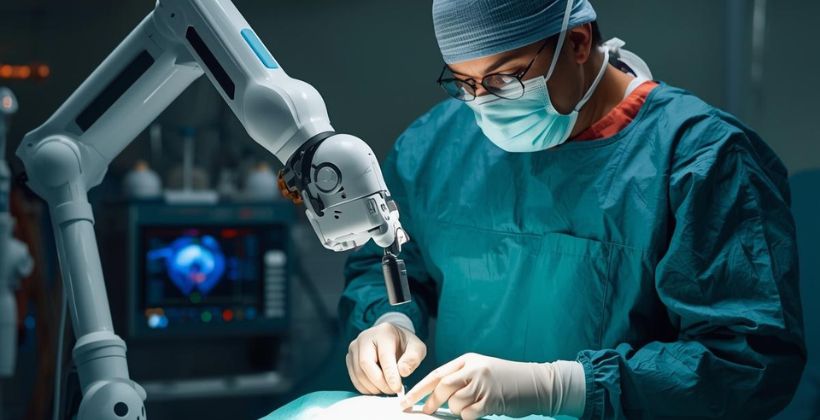
Understanding Robotic Surgery
Robotic surgery, also called robotic assisted surgery, is an advanced surgical technique where doctors use a robotic system to perform complex procedures with high precision and control. Despite the name, the robot does not operate on its own. The surgeon remains fully in control at all times.
In simple words, robotic surgery is a modern form of minimally invasive surgery that allows surgeons to operate through small cuts using robotic arms guided by a computer system.
Over the last decade, robotic surgery in Mumbai and worldwide has grown rapidly. Patients prefer it because it offers less pain, smaller scars, faster recovery, and better surgical accuracy compared to traditional open surgery.
With the growing demand for advanced surgery in India, especially in cities like Mumbai, more hospitals are adopting robotic surgical technology. However, choosing the right hospital and experienced robotic surgeon is extremely important for safety and results.
What Is Robotic Surgery?
Definition of Robotic-Assisted Surgery
Robotic surgery, also known as robotic assisted surgery, is an advanced form of minimally invasive surgery in which a specially trained surgeon uses a robotic system to perform complex surgical procedures with enhanced precision, flexibility, and control.
In robotic surgery, small surgical instruments are attached to robotic arms, which are controlled entirely by the surgeon from a computerized console. The system provides high-definition, 3D magnified vision and allows extremely precise movements that are often beyond the capability of the human hand alone.
Robotic surgery represents one of the most significant advancements in modern and advanced surgery, improving outcomes across multiple specialties.
Does the Robot Operate Independently?
No, the robot does not operate independently.
One of the most common misconceptions about robotic surgery is that the robot performs the surgery on its own. This is not true. In robotic assisted surgery, the surgeon remains in complete control throughout the procedure.
The robotic system does not:
- Make decisions
- Move without instruction
- Replace the surgeon
Instead, it translates the surgeon’s hand movements into smaller, more precise movements inside the patient’s body. If the surgeon stops, the robot stops immediately.
Difference Between Robotic Surgery and Automated Surgery
Robotic surgery is often confused with automated surgery, but they are very different.
- Automated surgery: Machines function independently using programmed instructions.
- Robotic assisted surgery: The surgeon controls every action in real time.
Robotic surgery enhances human skill — it does not replace human expertise. The technology serves as an extension of the surgeon’s hands, eyes, and precision.
Role of the Surgeon in Robotic Procedures
During robotic surgery, the surgeon:
- Sits at an advanced control console
- Views a magnified 3D HD image of the surgical area
- Controls robotic arms using hand and foot controls
- Performs delicate surgical steps with high precision
The robotic system filters out natural hand tremors and enhances fine movements. However, every movement originates from the surgeon.
This combination of human expertise and robotic precision improves surgical accuracy, reduces complications, and enhances patient outcomes.
Evolution of Robotic Surgery
Surgery has evolved dramatically over the past century.
1. Open Surgery
Traditional open surgery required large incisions. Although effective, it involved:
- More blood loss
- Higher infection risk
- Longer hospital stays
- Slower recovery
2. Laparoscopic Surgery
Laparoscopic (keyhole) surgery introduced smaller incisions and camera guidance. It reduced recovery time but had limitations such as:
- Limited range of motion
2D visualization - Restricted instrument movement
3. Robotic Surgery Technology
Robotic surgery was developed to overcome these limitations. It offers:
- 3D high-definition vision
- Greater instrument flexibility
- Enhanced dexterity
- Improved precision
Today, robotic surgery in India is expanding rapidly across orthopaedics, urology, gynaecology, and oncology. Globally, robotic assisted surgery is becoming the preferred option for many complex and minimally invasive procedures.
How Does Robotic Surgery Work? (Step-by-Step)
Understanding how robotic surgery works helps patients feel informed and confident.
1. Pre-Operative Planning
Before surgery, doctors conduct:
- Blood investigations
- CT scans or MRI
- Detailed imaging studies
- Physical examination
These tests help create a precise surgical plan tailored to the patient.
2. Anaesthesia
The patient is given general anaesthesia so they remain asleep and pain-free during the procedure.
3. Small Incisions
Instead of a large cut, the surgeon makes small incisions (usually 1–2 cm).
4. Insertion of Robotic Arms
Robotic arms equipped with tiny surgical instruments are inserted through these small cuts.
5. 3D HD Camera Vision
A high-definition camera provides a magnified 3D view, sometimes up to 10 times magnification. This allows the surgeon to see delicate structures clearly.
6. Surgeon-Controlled Movements
The surgeon controls the robotic arms from a console. The system translates large hand movements into micro-movements inside the body, ensuring:
- Higher precision
- Better stability
- Minimal tissue damage
- Reduced bleeding
What Does the Robot Actually Do During Surgery?
The robotic system enhances surgical performance by:
- Improving precision and control
- Filtering out hand tremors
- Allowing 360-degree wrist rotation
- Operating in tight and hard-to-reach areas
- Increasing surgical consistency
It does not replace the surgeon. Instead, it acts as a highly advanced surgical assistant.
Types of Surgeries Performed Using Robotic Technology
Robotic surgery applications are growing rapidly in India and worldwide.
1. Orthopaedic Robotic Surgery
- Robotic hip replacement surgery
- Robotic knee replacement
- Robotic spine surgery
Robotics helps ensure accurate implant positioning and joint alignment.
2. Gynaecology Robotic Surgery
- Robotic hysterectomy
- Fibroid removal
- Endometriosis surgery
3. Urology Robotic Surgery
- Robotic prostate surgery
- Kidney tumor removal
- Bladder reconstruction
4. Cancer and General Surgery
- Colorectal cancer surgery
- Gastrointestinal surgery
- Lung surgery
Robotic surgery in cancer care improves tumor removal precision while preserving healthy tissue.
Who Is Eligible for Robotic Surgery?
Robotic surgery eligibility depends on multiple factors.
Ideal Candidates:
- Patients requiring minimally invasive procedures
- Early-stage cancer patients
- Joint replacement patients
- Patients seeking faster recovery
Factors Doctors Evaluate:
- Age
- Overall health condition
- Disease stage
- Complexity of surger
- Previous surgical history
A detailed medical evaluation determines whether robotic assisted surgery is suitable.
Who May Not Be Suitable for Robotic Surgery?
Certain patients may not be ideal candidates:
- Emergency surgical cases
- Severe heart or lung disease
- Extremely advanced disease
- High surgical risk patients
Final decision is always made after thorough consultation with a robotic surgery specialist.
Pre-Surgery Preparation for Robotic Surgery
Preparation includes:
- Complete blood tests
- ECG and chest X-ray
- Imaging scans
- Anaesthesia fitness clearance
- Fasting instructions before surgery
Proper pre-operative care ensures safety and smooth recovery.
Is Robotic Surgery Safe?
Yes, robotic surgery is considered highly safe when performed by trained surgeons in accredited hospitals.
Safety Measures Include:
- Approved robotic surgical systems
- Certified and trained surgeons
- Built-in safety mechanisms
- Continuous monitoring during surgery
Robotic surgery safety standards are strictly maintained in leading hospitals in India.
Risks and Complications of Robotic Surgery
Although robotic surgery is safe, potential risks include:
- Minor infection
- Minimal bleeding
- Anaesthesia-related risks
- Rare technical issues
However, complication rates are generally lower compared to traditional open surgery.
Robotic Surgery vs Traditional Surgery
When comparing robotic surgery vs traditional surgery, patients often want to understand which option is safer, less painful, and allows faster recovery. Both approaches are effective, but robotic assisted surgery offers several advantages due to advanced technology and minimally invasive techniques.
1. Higher Precision
One of the biggest benefits of robotic surgery is enhanced precision.
- The robotic system provides a high-definition, 3D magnified view of the surgical area.
- Instruments can rotate 360 degrees, offering greater flexibility than the human wrist.
- The system filters natural hand tremors.
- Movements are translated into extremely small, accurate actions inside the body.
In traditional open surgery, the surgeon operates directly through a larger incision using manual instruments. While experienced surgeons achieve excellent outcomes, robotic technology enhances accuracy, especially in delicate areas like the spine, prostate, pelvis, or joints.
2. Less Pain
Robotic assisted surgery is generally associated with less post-operative pain because:
- Smaller incisions cause less tissue damage.
- Muscles are often separated rather than cut.
- There is reduced internal trauma.
- Inflammation is minimal.
Traditional open surgery typically involves larger incisions and more extensive tissue handling, which may lead to greater discomfort during recovery.
3. Smaller Scars
In robotic surgery:
- Incisions are usually 1–2 cm in size.
- Multiple small ports are used instead of one long cut.
- Scars are less noticeable and cosmetically better.
Open surgery usually requires a larger incision, which may result in a more visible scar and longer healing time.
4. Reduced Blood Loss
Robotic surgery often results in:
- Less bleeding during the procedure
- Lower chances of blood transfusion
- Better surgical field visibility
Because robotic instruments allow precise targeting of tissues and blood vessels, damage to surrounding structures is minimized. In contrast, open surgery may involve more blood loss due to larger incisions and tissue exposure.
5. Shorter Hospital Stay
Since robotic surgery causes less trauma to the body:
- Hospital stays are generally shorter (often 1–3 days depending on the procedure).
- Patients are able to recover at home sooner.
- Risk of hospital-related infections may be reduced.
Traditional surgery often requires longer hospitalization because of larger wounds and slower recovery.
6. Faster Recovery
Patients undergoing robotic assisted surgery typically experience:
- Quicker wound healing
- Early mobility
- Faster return to normal activities
- Reduced physical stress on the body
Open surgery recovery may take longer due to larger incisions and greater internal healing requirements.
Is Robotic Surgery Painful?
A common concern is: “Is robotic surgery painful?”
Robotic surgery is typically less painful compared to traditional open surgery.
Why Is Pain Reduced?
1. Smaller Incisions
Smaller cuts cause less skin and muscle damage, leading to reduced discomfort.
2. Reduced Tissue Trauma
Robotic instruments are highly precise, minimizing unnecessary disturbance to surrounding tissues.
3. Minimal Inflammation
Less tissue handling results in lower post-operative swelling and inflammation.
Pain Management After Robotic Surgery
- Mild to moderate pain is normal after any surgery.
- Pain is usually well controlled with prescribed medications.
- Many patients need pain medication for only a short period.
- Discomfort improves significantly within a few days.
Overall, pain after robotic surgery is manageable and recovery is generally more comfortable than open surgery.
Cut Size, Stitches & Scars
Understanding incision size and scarring helps patients feel more confident about the procedure.
Cut Size
In robotic surgery:
- Small cuts of approximately 1–2 cm are made.
- Typically, 3–5 small incisions are used.
- These small openings allow insertion of a camera and robotic instruments.
In traditional open surgery:
- A single larger incision is made.
- The length depends on the procedure but is usually significantly longer.
Stitches
Robotic surgery usually involves:
- Fewer stitches
- Small internal sutures
- Often absorbable stitches that dissolve naturally
Open surgery may require:
- More suturesConclusion
- Larger wound closure
- Longer wound care duration
Scarring
Scars from robotic surgery are:
- Smaller
- Less visible
- Faster to heal
- Cosmetically more acceptable
Over time, robotic surgery scars often fade significantly and may become barely noticeable. In contrast, open surgery scars are usually larger and more prominent.
Recovery After Robotic Surgery
Recovery is one of the strongest advantages of robotic assisted surgery.
Hospital Stay
Most patients stay in the hospital for:
- 1–3 days for many procedures
- Slightly longer if the surgery is comple
Open surgery may require a hospital stay of 4–7 days or more, depending on the condition.
Mobility
Early movement is encouraged after robotic surgery.
- Most patients start walking within 24 hours.
- Early mobility reduces the risk of blood clots.
- It improves circulation and lung function.
- It boosts confidence and speeds up overall recovery.
Open surgery patients may experience delayed mobility due to pain and larger incisions.
Follow-Up Care
Regular follow-up appointments help ensure:
- Proper wound healing
- Monitoring for any complications
- Medication adjustments
- Guidance on activity progression
Overall, robotic surgery recovery time is generally shorter and smoother compared to traditional open surgery recovery.
Life After Robotic Surgery
Patients are eager to return to their daily routines. While recovery varies based on surgery type and individual health, general timelines include:
Return to Work
- Many patients return to office or desk jobs within 2–4 weeks.
- Physically demanding jobs may require a longer recovery period.
Household Activities
- Light household work can resume within 1–2 weeks.
- Heavy lifting should be avoided until cleared by the surgeon.
Driving
- Driving is usually allowed after medical approval.
- This typically occurs within 1–2 weeks.
- Patients should not drive while taking strong pain medication.
Climbing Stairs
- Most patients can climb stairs within a few days.
- Gradual and careful movement is recommended.
Recovery always depends on:
- Type of procedure
- Patient’s age
- Overall medical condition
- Adherence to post-operative instructions
Exercise, Sports & Long-Term Lifestyle
Maintaining an active lifestyle plays a crucial role in long-term surgical success.
Light Walking
- Encouraged within the first week.
- Improves circulation.
- Prevents stiffness and blood clots.
Moderate Exercise
- Usually allowed after 4–6 weeks.
- Includes light gym workouts, yoga, or cycling (as advised).
Sports
- High-impact sports should only resume after doctor approval.
- The timeline depends on the type of surgery performed.
Long-term physical activity helps:
- Improve joint mobility
- Maintain muscle strength
- Prevent weight gain
- Enhance overall health
Exercise after robotic surgery contributes to better long-term outcomes.
Travelling After Robotic Surgery
Patients often ask when it is safe to travel.
Local Travel
- Usually possible within 1–2 weeks.
- Short car rides are generally safe.
Long-Distance Travel
- Recommended after 3–4 weeks.
- Frequent breaks during long journeys are advised.
Air Travel (Flights)
- Should only be done after medical clearance.
- Compression stockings may be advised for long flights.
- Staying hydrated and moving periodically reduces clot risk.
Always consult your surgeon before planning travel after robotic surgery.
Is Robotic Surgery Expensive?
Robotic surgery cost may be higher than traditional surgery due to several factors:
Advanced Technology
- Robotic systems are highly sophisticated.
- Equipment purchase and maintenance costs are significant.
Skilled Surgical Expertise
- Surgeons require specialized training and certification.
- Experience in robotic assisted surgery improves outcomes.
Equipment Maintenance
- Regular servicing and high-quality disposable instruments add to costs.
However, when evaluating overall value, robotic surgery may help reduce:
- Length of hospital stay
- Post-operative complications
- Time off work
- Long-term rehabilitation costs
In many cases, the faster recovery and lower complication rates may balance the initial higher cost.
Is Robotic Surgery Covered by Insurance in India?
Most major health insurance providers in India cover robotic surgery if:
- It is medically necessary
- Pre-authorization is approved
- Procedure is done in recognized hospitals
Hospitals usually assist patients with insurance documentation.
Can robotic surgery perform partial hip replacement?
Yes, robotic hip replacement surgery can perform both partial and total hip replacement. The robotic system ensures accurate implant placement, better alignment, and improved long-term joint performance.
Myths & Facts About Robotic Surgery
Myth: Robots operate independently.
Fact: Surgeons control every movement.
One of the most common misconceptions about robotic surgery is that the robot performs the operation on its own. In reality, robotic assisted surgery is completely controlled by a highly trained surgeon at all times.
- The surgeon sits at a console next to the patient.
- Every movement of the robotic arms is directed by the surgeon’s hands.
- The robot cannot think, make decisions, or act independently.
- If the surgeon stops controlling the system, the robot stops immediately.
The robotic system simply translates the surgeon’s hand movements into smaller, more precise movements inside the patient’s body. It enhances accuracy but does not replace human expertise.
Myth: Robotic surgery is unsafe.
Fact: It follows strict safety standards.
Some patients believe that because robotic surgery uses advanced technology, it may be risky. However, robotic surgery safety standards are extremely strict.
- Robotic systems are approved by international health authorities.
- Surgeons undergo specialized training and certification before performing robotic procedures.
- Built-in safety mechanisms continuously monitor system performance.
- The surgical team supervises the entire procedure.
- The system can be switched to traditional techniques immediately if needed.
In many cases, robotic surgery may actually reduce certain risks because of its enhanced precision, smaller incisions, and better visualization.
Myth: Recovery is very long.
Fact: Recovery is often faster than open surgery.
Another common misunderstanding is that robotic surgery requires a long recovery period. In fact, robotic assisted surgery is minimally invasive, which typically leads to quicker healing.
- Smaller incisions mean less tissue damage.
- Reduced blood loss supports faster physical recovery.
- Patients usually experience less post-operative pain.
- Hospital stays are generally shorter.
- Many patients return to normal activities sooner compared to traditional open surgery.
While recovery time depends on the type of surgery and the patient’s overall health, robotic surgery recovery is often smoother and faster than open surgery recovery.
Choosing the Best Robotic Surgery Hospital in Mumbai
When choosing the best robotic surgery hospital in Mumbai, consider:
- Advanced robotic technology
- Experienced robotic surgeons
- Accredited infrastructure
- Strong infection control systems
- Post-surgery rehabilitation services
Selecting the right hospital ensures safe and successful outcomes.
Robotic Surgery at Zynova Shalby Hospital, Mumbai
Zynova Shalby Hospital is recognized for delivering advanced and patient-centric robotic assisted surgery in Mumbai. The hospital combines cutting-edge robotic surgery technology with experienced specialists to ensure precision, safety, and faster recovery for patients.
Zynova Shalby Hospital offers:
Advanced Robotic Surgical Systems
The hospital is equipped with state-of-the-art robotic surgery systems that provide 3D HD visualization, enhanced precision, and minimally invasive surgical capabilities. These advanced systems allow surgeons to perform complex procedures with greater accuracy and control.
Expert Multidisciplinary Team
Robotic procedures are performed by highly trained and certified surgeons supported by experienced anaesthetists, nurses, and rehabilitation specialists. The multidisciplinary team approach ensures comprehensive care across orthopaedics, urology, gynaecology, and general surgery.
Patient-Focused Care
Every patient receives personalized evaluation and treatment planning. From initial consultation to post-surgery follow-up, the hospital prioritizes patient comfort, safety, and clear communication.
Comprehensive Recovery Support
Zynova Shalby Hospital provides structured post-operative care, including pain management, physiotherapy guidance, mobility support, and regular follow-ups to ensure smooth and safe recovery after robotic surgery.
High Standards of Robotic Surgery Safety
Strict infection control protocols, advanced monitoring systems, and internationally accepted safety guidelines are followed to maintain the highest standards of robotic surgery safety.
The hospital is committed to providing world-class robotic assisted surgery in Mumbai by combining advanced technology, experienced surgeons, and compassionate patient care — ensuring better outcomes and faster recovery for every patient.
Conclusion
Robotic surgery is transforming modern healthcare. It combines human expertise with advanced technology to deliver:
- Higher precision
- Less pain
- Smaller scars
- Faster recovery
- Improved surgical results
If you are considering robotic surgery in India, consult an experienced robotic surgeon and choose a trusted hospital with advanced technology and safety standards.
Robotic assisted surgery represents the future of minimally invasive and advanced surgery.
Leave a Comment