Best Hospital in Ghatkopar, Mumbai | Zynova Shalby Hospital


Robotic Surgery
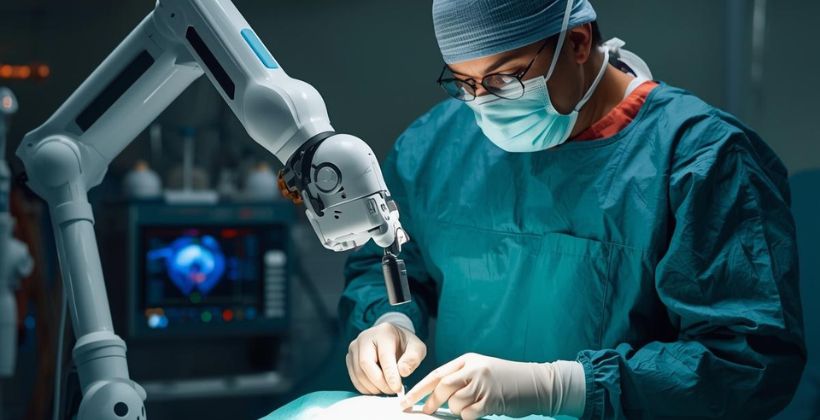
What Is Robotic Surgery? How It Works, Who Is Eligible & Is It Safe?
Understanding Robotic Surgery Robotic surgery, also called robotic assisted surgery, is an advanced surgical technique where doctors use a robotic system to perform complex procedures with high precision and control. Despite the name, the robot does not operate on its own. The surgeon remains fully in control at all times. In simple words, robotic surgery is a modern form of minimally invasive surgery that allows surgeons to operate through small cuts using robotic arms guided by a computer system. Over the last decade, robotic surgery in Mumbai and worldwide has grown rapidly. Patients prefer it because it offers less pain, smaller scars, faster recovery, and better surgical accuracy compared to traditional open surgery. With the growing demand for advanced surgery in India, especially in cities like Mumbai, more hospitals are adopting robotic surgical technology. However, choosing the right hospital and experienced robotic surgeon is extremely important for safety and results. What Is Robotic Surgery? Definition of Robotic-Assisted Surgery Robotic surgery, also known as robotic assisted surgery, is an advanced form of minimally invasive surgery in which a specially trained surgeon uses a robotic system to perform complex surgical procedures with enhanced precision, flexibility, and control. In robotic surgery, small surgical instruments are attached to robotic arms, which are controlled entirely by the surgeon from a computerized console. The system provides high-definition, 3D magnified vision and allows extremely precise movements that are often beyond the capability of the human hand alone. Robotic surgery represents one of the most significant advancements in modern and advanced surgery, improving outcomes across multiple specialties. Does the Robot Operate Independently? No, the robot does not operate independently. One of the most common misconceptions about robotic surgery is that the robot performs the surgery on its own. This is not true. In robotic assisted surgery, the surgeon remains in complete control throughout the procedure. The robotic system does not: Make decisions Move without instruction Replace the surgeon Instead, it translates the surgeon’s hand movements into smaller, more precise movements inside the patient’s body. If the surgeon stops, the robot stops immediately. Difference Between Robotic Surgery and Automated Surgery Robotic surgery is often confused with automated surgery, but they are very different. Automated surgery: Machines function independently using programmed instructions. Robotic assisted surgery: The surgeon controls every action in real time. Robotic surgery enhances human skill — it does not replace human expertise. The technology serves as an extension of the surgeon’s hands, eyes, and precision. Role of the Surgeon in Robotic Procedures During robotic surgery, the surgeon: Sits at an advanced control console Views a magnified 3D HD image of the surgical area Controls robotic arms using hand and foot controls Performs delicate surgical steps with high precision The robotic system filters out natural hand tremors and enhances fine movements. However, every movement originates from the surgeon. This combination of human expertise and robotic precision improves surgical accuracy, reduces complications, and enhances patient outcomes. Evolution of Robotic Surgery Surgery has evolved dramatically over the past century. 1. Open Surgery Traditional open surgery required large incisions. Although effective, it involved: More blood loss Higher infection risk Longer hospital stays Slower recovery 2. Laparoscopic Surgery Laparoscopic (keyhole) surgery introduced smaller incisions and camera guidance. It reduced recovery time but had limitations such as: Limited range of motion 2D visualization Restricted instrument movement 3. Robotic Surgery Technology Robotic surgery was developed to overcome these limitations. It offers: 3D high-definition vision Greater instrument flexibility Enhanced dexterity Improved precision Today, robotic surgery in India is expanding rapidly across orthopaedics, urology, gynaecology, and oncology. Globally, robotic assisted surgery is becoming the preferred option for many complex and minimally invasive procedures. How Does Robotic Surgery Work? (Step-by-Step) Understanding how robotic surgery works helps patients feel informed and confident. 1. Pre-Operative Planning Before surgery, doctors conduct: Blood investigations CT scans or MRI Detailed imaging studies Physical examination These tests help create a precise surgical plan tailored to the patient. 2. Anaesthesia The patient is given general anaesthesia so they remain asleep and pain-free during the procedure. 3. Small Incisions Instead of a large cut, the surgeon makes small incisions (usually 1–2 cm). 4. Insertion of Robotic Arms Robotic arms equipped with tiny surgical instruments are inserted through these small cuts. 5. 3D HD Camera Vision A high-definition camera provides a magnified 3D view, sometimes up to 10 times magnification. This allows the surgeon to see delicate structures clearly. 6. Surgeon-Controlled Movements The surgeon controls the robotic arms from a console. The system translates large hand movements into micro-movements inside the body, ensuring: Higher precision Better stability Minimal tissue damage Reduced bleeding What Does the Robot Actually Do During Surgery? The robotic system enhances surgical performance by: Improving precision and control Filtering out hand tremors Allowing 360-degree wrist rotation Operating in tight and hard-to-reach areas Increasing surgical consistency It does not replace the surgeon. Instead, it acts as a highly advanced surgical assistant. Types of Surgeries Performed Using Robotic Technology Robotic surgery applications are growing rapidly in India and worldwide. 1. Orthopaedic Robotic Surgery Robotic hip replacement surgery Robotic knee replacement Robotic spine surgery Robotics helps ensure accurate implant positioning and joint alignment. 2. Gynaecology Robotic Surgery Robotic hysterectomy Fibroid removal Endometriosis surgery 3. Urology Robotic Surgery Robotic prostate surgery Kidney tumor removal Bladder reconstruction 4. Cancer and General Surgery Colorectal cancer surgery Gastrointestinal surgery Lung surgery Robotic surgery in cancer care improves tumor removal precision while preserving healthy tissue. Who Is Eligible for Robotic Surgery? Robotic surgery eligibility depends on multiple factors. Ideal Candidates: Patients requiring minimally invasive procedures Early-stage cancer patients Joint replacement patients Patients seeking faster recovery Factors Doctors Evaluate: Age Overall health condition Disease stage Complexity of surger Previous surgical history A detailed medical evaluation determines whether robotic assisted surgery is suitable. Who May Not Be Suitable for Robotic Surgery? Certain patients may not be ideal candidates: Emergency surgical cases Severe heart or lung disease Extremely advanced disease High surgical risk patients Final decision is always made after thorough consultation with