Best Hospital in Ghatkopar, Mumbai | Zynova Shalby Hospital


Blog Classic
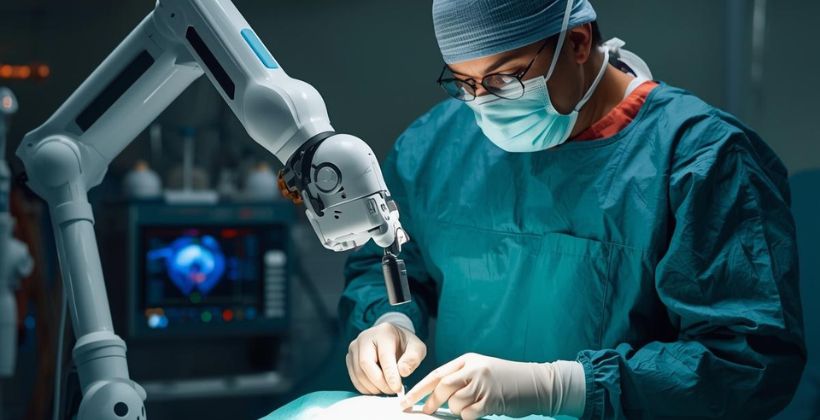
What Is Robotic Surgery? How It Works, Who Is Eligible & Is It Safe?
Understanding Robotic Surgery Robotic surgery, also called robotic assisted surgery, is an advanced surgical technique where doctors use a robotic system to perform complex procedures with high precision and control. Despite the name, the robot does not operate on its own. The surgeon remains fully in control at all times. In simple words, robotic surgery is a modern form of minimally invasive surgery that allows surgeons to operate through small cuts using robotic arms guided by a computer system. Over the last decade, robotic surgery in Mumbai and worldwide has grown rapidly. Patients prefer it because it offers less pain, smaller scars, faster recovery, and better surgical accuracy compared to traditional open surgery. With the growing demand for advanced surgery in India, especially in cities like Mumbai, more hospitals are adopting robotic surgical technology. However, choosing the right hospital and experienced robotic surgeon is extremely important for safety and results. What Is Robotic Surgery? Definition of Robotic-Assisted Surgery Robotic surgery, also known as robotic assisted surgery, is an advanced form of minimally invasive surgery in which a specially trained surgeon uses a robotic system to perform complex surgical procedures with enhanced precision, flexibility, and control. In robotic surgery, small surgical instruments are attached to robotic arms, which are controlled entirely by the surgeon from a computerized console. The system provides high-definition, 3D magnified vision and allows extremely precise movements that are often beyond the capability of the human hand alone. Robotic surgery represents one of the most significant advancements in modern and advanced surgery, improving outcomes across multiple specialties. Does the Robot Operate Independently? No, the robot does not operate independently. One of the most common misconceptions about robotic surgery is that the robot performs the surgery on its own. This is not true. In robotic assisted surgery, the surgeon remains in complete control throughout the procedure. The robotic system does not: Make decisions Move without instruction Replace the surgeon Instead, it translates the surgeon’s hand movements into smaller, more precise movements inside the patient’s body. If the surgeon stops, the robot stops immediately. Difference Between Robotic Surgery and Automated Surgery Robotic surgery is often confused with automated surgery, but they are very different. Automated surgery: Machines function independently using programmed instructions. Robotic assisted surgery: The surgeon controls every action in real time. Robotic surgery enhances human skill — it does not replace human expertise. The technology serves as an extension of the surgeon’s hands, eyes, and precision. Role of the Surgeon in Robotic Procedures During robotic surgery, the surgeon: Sits at an advanced control console Views a magnified 3D HD image of the surgical area Controls robotic arms using hand and foot controls Performs delicate surgical steps with high precision The robotic system filters out natural hand tremors and enhances fine movements. However, every movement originates from the surgeon. This combination of human expertise and robotic precision improves surgical accuracy, reduces complications, and enhances patient outcomes. Evolution of Robotic Surgery Surgery has evolved dramatically over the past century. 1. Open Surgery Traditional open surgery required large incisions. Although effective, it involved: More blood loss Higher infection risk Longer hospital stays Slower recovery 2. Laparoscopic Surgery Laparoscopic (keyhole) surgery introduced smaller incisions and camera guidance. It reduced recovery time but had limitations such as: Limited range of motion 2D visualization Restricted instrument movement 3. Robotic Surgery Technology Robotic surgery was developed to overcome these limitations. It offers: 3D high-definition vision Greater instrument flexibility Enhanced dexterity Improved precision Today, robotic surgery in India is expanding rapidly across orthopaedics, urology, gynaecology, and oncology. Globally, robotic assisted surgery is becoming the preferred option for many complex and minimally invasive procedures. How Does Robotic Surgery Work? (Step-by-Step) Understanding how robotic surgery works helps patients feel informed and confident. 1. Pre-Operative Planning Before surgery, doctors conduct: Blood investigations CT scans or MRI Detailed imaging studies Physical examination These tests help create a precise surgical plan tailored to the patient. 2. Anaesthesia The patient is given general anaesthesia so they remain asleep and pain-free during the procedure. 3. Small Incisions Instead of a large cut, the surgeon makes small incisions (usually 1–2 cm). 4. Insertion of Robotic Arms Robotic arms equipped with tiny surgical instruments are inserted through these small cuts. 5. 3D HD Camera Vision A high-definition camera provides a magnified 3D view, sometimes up to 10 times magnification. This allows the surgeon to see delicate structures clearly. 6. Surgeon-Controlled Movements The surgeon controls the robotic arms from a console. The system translates large hand movements into micro-movements inside the body, ensuring: Higher precision Better stability Minimal tissue damage Reduced bleeding What Does the Robot Actually Do During Surgery? The robotic system enhances surgical performance by: Improving precision and control Filtering out hand tremors Allowing 360-degree wrist rotation Operating in tight and hard-to-reach areas Increasing surgical consistency It does not replace the surgeon. Instead, it acts as a highly advanced surgical assistant. Types of Surgeries Performed Using Robotic Technology Robotic surgery applications are growing rapidly in India and worldwide. 1. Orthopaedic Robotic Surgery Robotic hip replacement surgery Robotic knee replacement Robotic spine surgery Robotics helps ensure accurate implant positioning and joint alignment. 2. Gynaecology Robotic Surgery Robotic hysterectomy Fibroid removal Endometriosis surgery 3. Urology Robotic Surgery Robotic prostate surgery Kidney tumor removal Bladder reconstruction 4. Cancer and General Surgery Colorectal cancer surgery Gastrointestinal surgery Lung surgery Robotic surgery in cancer care improves tumor removal precision while preserving healthy tissue. Who Is Eligible for Robotic Surgery? Robotic surgery eligibility depends on multiple factors. Ideal Candidates: Patients requiring minimally invasive procedures Early-stage cancer patients Joint replacement patients Patients seeking faster recovery Factors Doctors Evaluate: Age Overall health condition Disease stage Complexity of surger Previous surgical history A detailed medical evaluation determines whether robotic assisted surgery is suitable. Who May Not Be Suitable for Robotic Surgery? Certain patients may not be ideal candidates: Emergency surgical cases Severe heart or lung disease Extremely advanced disease High surgical risk patients Final decision is always made after thorough consultation with
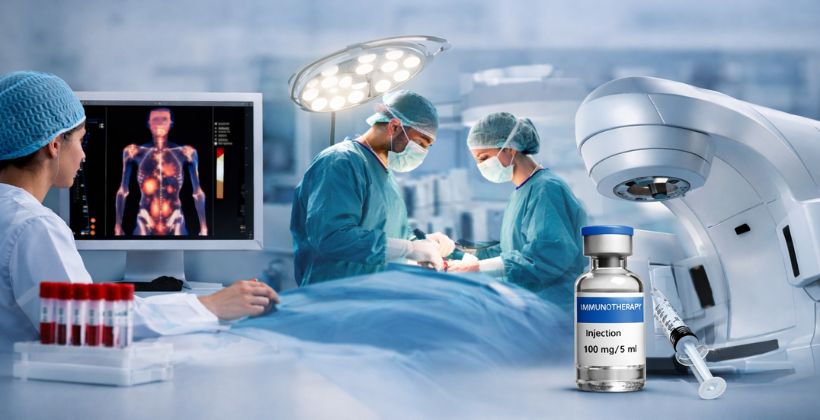
Comprehensive Oncology Care: Diagnosis, Treatment & Follow-Up Under One Roof
Why Comprehensive Oncology Care Is the Need of Today Cancer is no longer a rare disease. In the global community, and especially in India, the incidence of cancer is rising at an alarming rate due to lifestyle changes, pollution, the use of tobacco products, and the aging population. Now it is one of the most common causes of deaths worldwide. With modern medical advancements, early detection and timely treatment can significantly improve survival. However, patients can benefit from these advances only when they have access to comprehensive oncology care. Many patients face challenges because cancer treatment is scattered across different hospitals. They may visit one center for diagnosis, another for surgery, and a third for chemotherapy or radiation therapy. This fragmented approach often results in: Delays in diagnosis Poor coordination between doctors Repeated tests and higher expenses Emotional stress for families “Under one roof” means a fully integrated cancer treatment center where diagnosis, treatment, supportive care, and follow-up happen in the same place. This structured model improves treatment accuracy, enhances survival rates, and ensures a smoother patient experience. A modern cancer treatment center in Mumbai offering integrated services allows patients to receive seamless care without losing valuable time. Comprehensive care ensures coordinated, timely, and precise cancer management. What Does “Comprehensive Oncology Care” Actually Mean? Comprehensive cancer care refers to complete, end-to-end cancer management. It covers every stage of the patient journey, including: Detection → Diagnosis → Staging → Treatment Planning → Active Treatment → Recovery → Follow-Up → Survivorship Unlike standalone facilities that provide only chemotherapy or surgery, a fully integrated oncology hospital offers multidisciplinary cancer care supported by advanced technology and expert coordination. Key Components of Complete Cancer Care Early cancer detection and screening Accurate cancer diagnosis and staging Personalized oncology treatment plans Advanced cancer treatment options Cancer supportive care Palliative cancer care Long-term cancer follow-up care Technology such as PET-CT scans, molecular testing, and genetic profiling improves diagnostic precision and allows doctors to monitor response continuously. Multidisciplinary Oncology Team: Backbone of Comprehensive Cancer Care Cancer is complex. One doctor alone cannot manage every aspect of diagnosis and treatment. That is why a cancer specialist’s team, also known as a tumor board, plays a critical role. During tumor board meetings, specialists review imaging reports, biopsy test results, staging details, and the patient’s overall health before finalizing the best cancer treatment plan. Specialists Involved in Multidisciplinary Cancer Care Medical Oncologist Manages chemotherapy, targeted therapy, immunotherapy, and hormone therapy. Monitors response and handles chemotherapy side effects. Surgical Oncologist Performs tumor removal surgeries, organ-preserving procedures, minimally invasive surgeries, and reconstructive cancer surgery. Radiation Oncologist Plans and delivers radiation therapy using precision techniques while protecting healthy tissues. Pathologist Confirms cancer diagnosis, determines tumor grading, and performs molecular testing. Radiologist Interprets CT scan, MRI, and PET-CT imaging to detect and monitor disease progression. Onco-nurses, Nutritionists, Psychologists, and Rehabilitation Experts Provide cancer supportive care, nutritional guidance, emotional counseling, and recovery support. This team-based approach ensures personalized and precise cancer patient care. Step-by-Step Oncology Care Under One Roof 1. Early Cancer Detection & Screening Early cancer detection significantly improves survival rates. Unfortunately, many patients ignore early cancer symptoms, such as: Persistent lumps Unexplained weight loss Continuous fatigue Abnormal bleeding Chronic cough Change in bowel habits Importance of Cancer Screening Regular cancer screening programs help detect cancer before symptoms appear. Common screening programs include: Breast cancer screening Cervical cancer screening Oral cancer screening Prostate cancer screening Colorectal cancer screening High-risk individuals, including those with family history or tobacco use, benefit greatly from routine screening. Benefits of Early Detection Less aggressive treatment Shorter recovery time Higher survival rates Reduced financial burden Better quality of life 2. Accurate Cancer Diagnosis & Staging An accurate cancer diagnosis forms the foundation of effective treatment. Diagnostic Process Includes the Following: Imaging Tests CT scan MRI PET-CT Biopsy Test Confirms cancer type Determines tumor characteristics Histopathology & Molecular Testing Identifies genetic mutations Guides targeted therapy Blood Tests & Tumor Markers Monitor disease progression Cancer Staging (Stage I–IV) Cancer staging determines how far the cancer has spread. Early-stage cancers may require surgery alone, while advanced stages may need combination therapy. Correct staging ensures the right personalized cancer treatment plan. 3. Personalized Cancer Treatment Planning Every patient is different. Personalized cancer treatment considers: Cancer type and stage Tumor biology Patient’s age and medical condition Genetic and molecular profile Patient preferences Doctors follow evidence-based clinical guidelines to design a customized oncology treatment plan. Continuous evaluation ensures treatment adjustments when necessary. Advanced Cancer Treatment Options Available Under One Roof A comprehensive oncology hospital provides all major cancer treatment options in one location. Medical Oncology Chemotherapy Destroys fast-growing cancer cells and prevents spread. Targeted Therapy Focuses on specific cancer-causing genetic mutations. Immunotherapy Strengthens the immune system to fight cancer. Hormone Therapy Used for hormone-sensitive cancers such as breast and prostate cancer. Surgical Oncology Tumor removal surgery Organ-preserving cancer surgeries Minimally invasive techniques Robotic-assisted surgery Reconstructive procedures Radiation Oncology External beam radiation therapy Intensity-Modulated Radiation Therapy (IMRT) Image-Guided Radiation Therapy (IGRT Combination therapies (surgery + chemotherapy + radiation therapy) often improve survival and long-term outcomes. Patients seeking oncology treatment in Mumbai benefit from access to these advanced technologies within an integrated oncology hospital. Supportive Care: Managing Side Effects & Improving Quality of Life Cancer treatment may cause: Fatigue Nausea Hair loss Pain Low immunity Emotional distress Cancer supportive care focuses on improving comfort and managing chemotherapy side effects through: Pain management programs Nutritional counseling Psychological therapy Infection control guidance Physical rehabilitation Holistic care improves treatment tolerance and quality of life. Palliative Care: Comfort, Dignity & Symptom Relief Palliative cancer care supports patients at any stage of illness. It is not limited to end-of-life situations. Services Include: Advanced pain management Symptom control Emotional and psychological support Family counseling Support during advanced cancer treatment Early integration of palliative care enhances comfort and dignity. Follow-Up Care & Cancer Survivorship After active treatment, structured cancer follow-up care is essential. Follow-Up Includes: Regular scans Blood tests Physical examinations Monitoring for recurrence Cancer Survivorship